Short Answer: A spiritual coach helps people connect with their inner wisdom, move beyond limiting beliefs, and live in alignment with their higher purpose. Unlike therapists or life coaches, spiritual coaches guide deep, soul-centered transformation.
What Is the Role of a Spiritual Coach?
A spiritual coach supports personal and spiritual growth by helping clients:
- Navigate awakenings, transitions, or emotional blocks
- Break free from patterns driven by fear, ego, or doubt
- Reconnect with their intuition and life purpose
- Explore mindfulness, energy work, and spiritual tools
- Live more authentically in alignment with their soul
Coaching is delivered through 1:1 sessions, group work, courses, or immersive retreats.
Who Works with a Spiritual Coach?
Spiritual coaching is ideal for people who:

- Feel unfulfilled despite success or external achievements
- Are going through a spiritual awakening or shift
- Crave deeper clarity, peace, or purpose
- Seek support beyond traditional therapy or coaching
Most clients are already engaged in personal growth and want support aligned with inner transformation.
Common Tools Used by Spiritual Coaches
Each coach uses different tools based on their style and client needs:
- Guided meditation and breathwork
- Journaling prompts for reflection and insight
- Oracle or tarot cards (if aligned)
- Intuitive guidance or channeled messages
- Energy healing or chakra balancing
- Shadow work, inner child dialogue, or soul inquiry
These practices help clients release emotional blocks and access their own wisdom.
How Is Spiritual Coaching Different from Life Coaching or Therapy?
| Modality | Focus | Tools Used | Typical Outcome |
|---|---|---|---|
| Life Coach | Goals, performance, habits | Action plans, accountability | External success & productivity |
| Therapist | Mental health, trauma, diagnosis | Clinical tools, CBT, EMDR | Emotional healing & stability |
| Spiritual Coach | Soul growth, inner truth, alignment | Intuition, presence, energy work | Purpose, clarity, spiritual fulfillment |
Spiritual coaches are not therapists, but they complement other healing modalities by helping clients explore deeper meaning and higher awareness.
Do You Need a Certification?
No certification is legally required to become a spiritual coach. However, formal training offers:
- Structured coaching techniques
- Guidance on ethics and client safety
- Tools for spiritual and energetic work
- Confidence in holding transformational space
Clients value authenticity, integrity, and personal experience even more than formal credentials. If you do want structured training, our spiritual life coach certification covers the coaching craft, the inner work, and how to build a real practice.
How to Choose the Right Spiritual Coach
Look for a spiritual coach who:

- Aligns with your values and worldview
- Offers a discovery call or consultation
- Is transparent about their training and methods
- Encourages your growth, not dependency
Red flags include:
- Promises of instant miracles
- Pressure to buy expensive packages
- Claims of being the only "true" way
The best spiritual coaches help you access your own guidance, not just follow theirs.
Why Spiritual Coaching Is Growing in Demand
As more people step away from rigid belief systems or purely goal-based living, spiritual coaching offers a powerful bridge:
- Ancient wisdom + modern life tools
- Personal growth + soul alignment
- Non-dogmatic support for inner transformation
Spiritual coaches are helping people live more awake, connected, and meaningful lives, especially in times of rapid change or uncertainty.
FAQ
Q: What is spiritual coaching in simple terms? A: Spiritual coaching helps people connect with their inner self, release limiting beliefs, and live with greater clarity and purpose.
Q: Do you need a certification to be a spiritual coach? A: No. There are no legal requirements for certification. However, training programs can help you learn ethical practices, develop coaching skills, and build confidence.
Q: How is a spiritual coach different from a therapist? A: Therapists focus on healing mental health issues and trauma. Spiritual coaches support soul growth, alignment, and inner purpose, often using intuition and energy-based tools.
Q: What happens in a typical spiritual coaching session? A: You may experience guided meditation, journaling, intuitive insight, breathwork, or deep conversation. The session is tailored to your personal growth journey.
Q: Can spiritual coaching help with anxiety or emotional struggles? A: Yes, but it's not a replacement for therapy. It can support emotional wellness by helping you shift limiting beliefs and access deeper peace and meaning.
Q: How much do spiritual coaches charge? A: Rates vary. Many charge between $50 and $150 per session. Some offer packages, sliding scale pricing, or group programs.
Q: Is spiritual coaching religious? A: No. Most spiritual coaches work in an inclusive, non-religious way. They help clients explore personal spirituality, whatever that looks like for them.
Related reading

“May you remember your highest path in life. May you follow the steps to aligning with your Dharma, your soul's purpose. And most of all, may you remember your heart of gold, the pure true heart, that is your own.”
Oceans of love, Arielle 🙏Co-founder of Awakened Academy
Questions people ask
What does a spiritual coach actually do in a session?
They help you connect with your inner wisdom, move past limiting beliefs, and live aligned with your higher purpose. Sessions can include guided meditation, breathwork, journaling, intuitive insight, shadow work, or deep conversation, tailored to your growth.
How is a spiritual coach different from a therapist or life coach?
Therapists work with mental health and trauma. Life coaches focus on goals, habits and performance. Spiritual coaches work at the soul level: intuition, presence and energy work, with outcomes like purpose, clarity and spiritual fulfilment.
Do I need a certification to become a spiritual coach?
No certification is legally required. But formal training gives you structured techniques, ethical guidance, tools for energetic work, and confidence to hold transformational space. Clients value authenticity and integrity even more than credentials.
If you feel called to help others while building a spiritually-aligned life, this is for you.
Talk to a coach, free. A relaxed 30-minute conversation about where you are and whether this path is yours. No pressure, no pitch unless it's a genuine fit.
Talk to a Coach →Prefer to read first? Download the free brochure.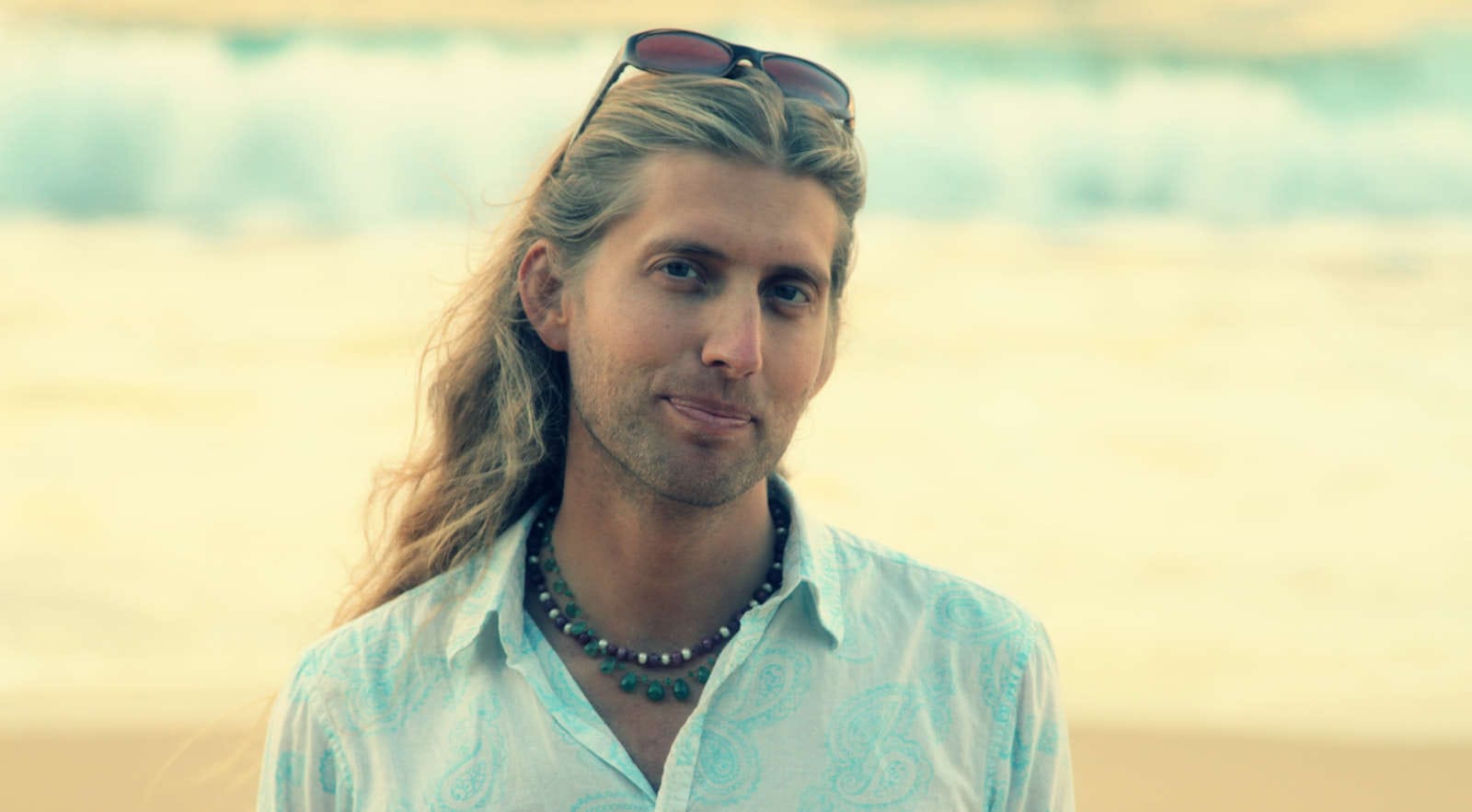
Michael Mackintosh
Founder of Awakened Academy®. Pioneering spiritual life coaching since 2004 and certifying coaches since 2012, with graduates across 25+ countries and 125,000+ five-star meditation reviews. Host of Your Wish Fulfilled and Don't Die With Your Song Inside.
Many blessings, and lots of love 🙏
Michael