Holistic vs Spiritual vs Wellness Coaching: What's the Actual Difference?

Holistic, spiritual, and wellness coaching overlap more than the language suggests. A plain-English breakdown of what each actually focuses on, where they differ, and which fits the coach you want to become.
In short: Wellness coaching focuses on the body and lifestyle. Spiritual coaching focuses on the inner work, purpose, and soul layer. Holistic coaching integrates everything: spiritual, mental, emotional, physical, relational, financial. Most prospects searching for one of these terms actually want the third. The three labels are doing about 70% of the same job under different language.
If you've been searching "holistic vs spiritual vs wellness coaching" you're probably trying to figure out which one you actually want, either to receive or to train in. The honest answer involves separating the marketing language from the actual work.
The quick answer
| Spiritual coaching | Holistic coaching | Wellness coaching | |
|---|---|---|---|
| Primary focus | Purpose, inner work, soul | Whole person integration | Body, lifestyle, health |
| Dimensions worked | Inner + practical | All seven dimensions | Mostly physical |
| Typical methods | Inquiry, transmission, soul work | Cross-dimensional integration | Nutrition, habits, stress |
| Standard credential | Proprietary or ICF | AADP common | AADP, NBHWC, ACE |
| Audience | Spiritually-called | Whole-person seekers | Health-focused |
| Goal | Aligned, awake life | Integrated wellbeing | Healthier body and habits |
Most of the work overlaps. The labels emphasise different parts of the same practice.
What spiritual coaching is
A spiritual life coach works with purpose, inner alignment, and the layers of the self that conventional coaching skips. The inner work is the foundation. Outer change follows, but it follows from inner shift, not the other way around.
A typical spiritual coaching session might address: a client's relationship with their calling, the limiting beliefs running their life, the part of themselves they've abandoned and are now trying to recover, the soul-level direction they've been avoiding. The work happens at the layer underneath behaviour.
Spiritual coaches usually have done significant inner work themselves: years of meditation, retreats, awakening practices, deep therapy. They coach from integration, not from technique.
For the full breakdown of what spiritual life coaches actually do, see What Is a Spiritual Life Coach?.
What holistic coaching is
A holistic life coach works with the whole person across the connected dimensions of life. The recognition that holds the whole approach together: a problem in one area is rarely isolated.
A client who can't sleep isn't just having a sleep problem. A client who can't save isn't just having a money problem. A client who's exhausted isn't just having an energy problem. Real human situations sit across dimensions.
Holistic coaching is integrative life coaching. It takes whichever layer is most alive on a given day and works with it in the context of the whole person. Most working holistic coaches use a framework like the seven dimensions: spiritual, mental, emotional, physical, environmental, relational, financial. They move between these in a session depending on what's useful.
For more on what holistic coaches do day-to-day, see What Does a Holistic Life Coach Actually Do?
What wellness coaching is
A wellness coach focuses primarily on the body, lifestyle, and health behaviours. Nutrition, exercise, sleep, stress, daily habits, lifestyle medicine.
A typical wellness session might address: how the client is sleeping, what they're eating, how they're managing stress, what habits they're building or breaking, what's helping or harming their energy.
Wellness coaching is closer to the medical and nutrition end of the spectrum than to the inner-work end. Many wellness coaches partner with functional medicine doctors, dietitians, and somatic practitioners. The credential most relevant here is AADP (American Association of Drugless Practitioners) for holistic and drug-free wellness work, NBHWC for national board health and wellness coaching, or various sport and nutrition credentials.
Where they overlap (about 70% of the work)
In practice, the three labels are doing more of the same work than the marketing language admits.
A spiritual coach who never touches the body's role in client wellbeing isn't doing complete work. A wellness coach who never addresses the client's sense of purpose is missing the layer underneath the behaviour change. A holistic coach by definition is doing all of it.
Most clients walking into any of the three are bringing the same kinds of issues: I can't sleep, my work feels meaningless, my body is exhausted, my relationships are strained, I don't know what I'm here for. Those issues don't sort neatly into "spiritual problem" or "wellness problem". They're life problems, and they need integrated work.
This is why most prospects searching "holistic life coach" or "wellness coach" actually need spiritual depth too, and most prospects searching "spiritual life coach" actually need the holistic integration too. The labels are about how the coach markets themselves, more than about what the client actually receives.
The actual differences worth knowing
A few real distinctions matter for choosing or training:
Depth of inner work. Spiritual coaching goes deepest. Wellness coaching often stays at the behaviour layer. Holistic coaching depends on the practitioner's own training.
Body emphasis. Wellness coaching leads with the body. Spiritual coaching often underweights it. Holistic coaching includes it as one of the integrated dimensions.
Credentialing. AADP matters for holistic and wellness work, particularly if you'll work alongside health professionals. ICF matters mostly in corporate and HR-procured contexts. Spiritual-coaching certifications vary, with some holding ICF and others using proprietary credentials.
Client base. Wellness coaches often work with clients seeking specific health improvements. Spiritual coaches work with clients seeking meaning and awakening. Holistic coaches work with the overlap, often the largest of the three audiences.
Scope of practice. All three coaches need clarity on what they don't do. None diagnose or treat medical or mental-health conditions. The integrity of the work depends on referring out when something is outside scope.
Which one should you train in?
For most coaches drawn to this field, the honest answer is: train in something that covers all three.
The deepest training combines the spiritual depth, the holistic integration, and the wellness lifestyle layer. That's the integrated practice. The work that most clients need isn't a single layer of intervention. It's an integrative practice run by someone who can move between the layers with skill.
A few useful frames for deciding:
- If you're called primarily by purpose and inner work and want the integration to follow, train as a spiritual life coach in a programme that also covers the holistic dimensions. See the 4-way comparison of the major spiritual life coach certifications.
- If you're called primarily by whole-person integration and the spiritual dimension is one layer of that, train in holistic life coach certification with a programme that holds AADP.
- If you're called primarily by health, body, and lifestyle and want to work in the wellness end of the spectrum, look at programmes like NASM, NBHWC, or AADP-accredited wellness training. (These aren't programmes we offer.)
Most of the working coaches I know moved from one of these starting frames into the integrated practice over time. The narrow starting frame helps you commit. The integration is what makes the practice deep enough to serve clients for years.
What we built around this
Awakened Academy's certification is built around the integrative recognition. The curriculum covers all seven dimensions: spiritual, mental, emotional, physical, environmental, relational, financial. The accreditation stack reflects this: AADP for the holistic-practitioner credential, CMA for the natural-healthcare credential, IMMA for the meditation-and-mindfulness credential, and the AA Certified seal for our proprietary curriculum.
Separately, When Agreements Get Awkward is approved for 3 ICF Core Competency CCE hours and 0 Resource Development hours, from 1 August 2026 to 31 August 2027. This approval applies only to that named program, not to the full certification.
Whether students call themselves spiritual life coaches or holistic life coaches in their marketing depends on the audience they want to serve. The training is the same.
Tuition starts at $2,500 for the Foundational Spiritual Life Coach Certification, with full programme levels at $9,000+. Self-paced online. See the certification page for the full curriculum.
Bottom line
Holistic, spiritual, and wellness coaching overlap more than the language suggests. Most prospects searching one of these terms actually want integration of all three. The deepest training combines spiritual depth, holistic integration, and wellness lifestyle work into one practice. The label you use in your marketing depends on the clients you're trying to attract. The training that matters is the one that prepares you to actually do integrated work.
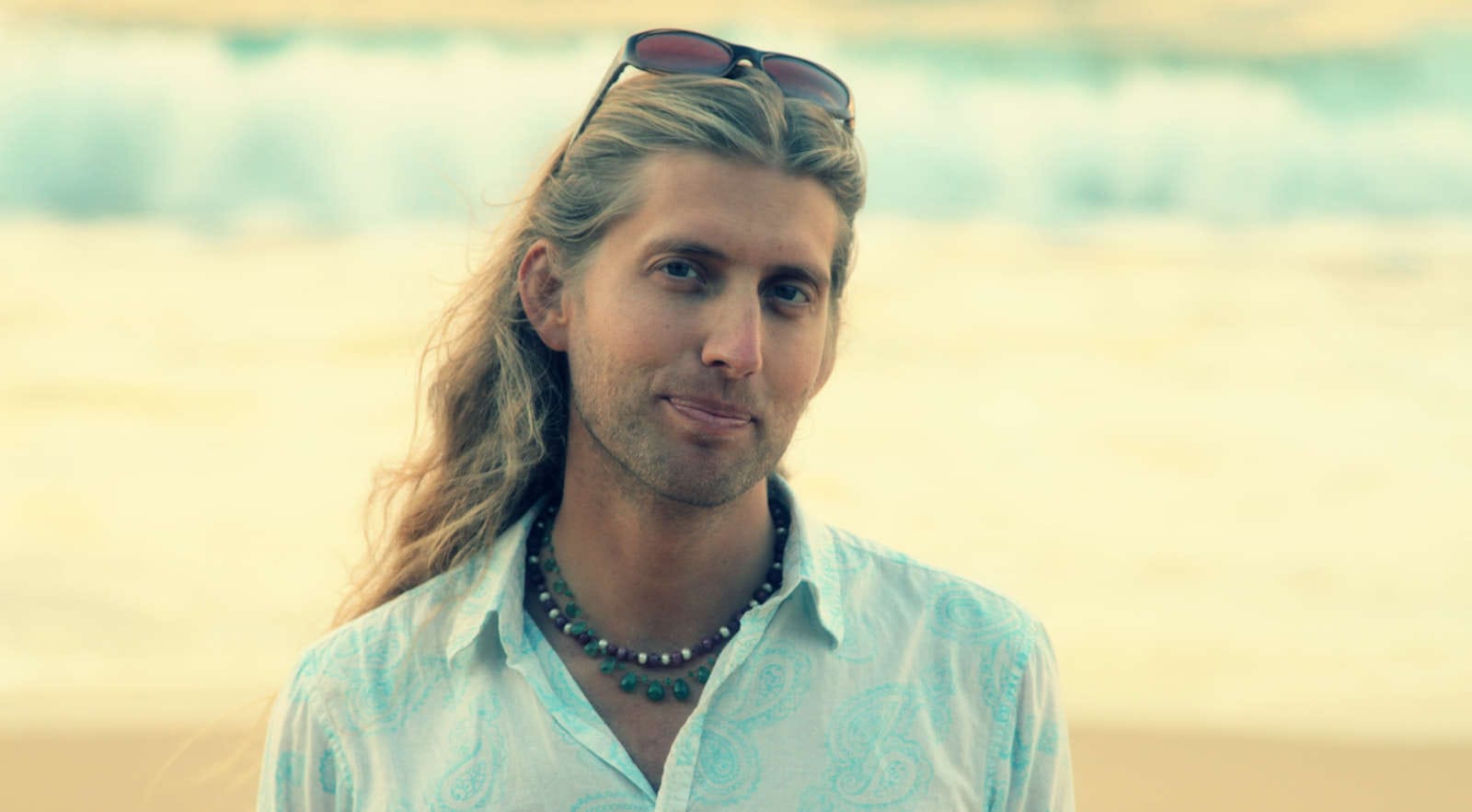
Michael Mackintosh has been pioneering spiritual life coaching since 2004 and certifying coaches since 2012. His and Arielle Hecht's free guided meditations have earned 125,000+ five-star reviews on Insight Timer, and he has helped students across 25+ countries build integrative coaching practices. He is the founder of Awakened Academy.
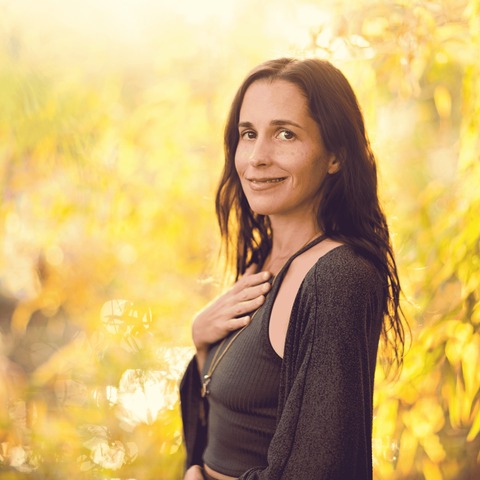
“May you remember your highest path in life. May you follow the steps to aligning with your Dharma, your soul's purpose. And most of all, may you remember your heart of gold, the pure true heart, that is your own.”
Oceans of love, Arielle 🙏Co-founder of Awakened Academy
Questions people ask
Is holistic coaching the same as spiritual coaching?
Mostly. Holistic emphasises the integration across all dimensions of a person. Spiritual emphasises the depth of the inner-work and purpose layer. Both work with the whole person, including the spiritual dimension. Many programmes use both labels for the same training.
Is wellness coaching the same as life coaching?
No. Wellness coaching focuses on physical health and lifestyle: nutrition, exercise, sleep, stress, habits. Life coaching is broader, addressing goals, work, relationships, and purpose. Wellness coaches typically don't go deep into the spiritual layer; spiritual life coaches typically do.
Which certification matters for which type?
AADP (American Association of Drugless Practitioners) is the standard credential for holistic and wellness practitioners. ICF is widely held by life coaches working in corporate or career contexts. Awakened Academy holds AADP, CMA, and IMMA externally, plus its own seal. Separately, its named program 'When Agreements Get Awkward' is approved for 3 ICF Core Competency CCE hours; that approval does not cover the full certification.
Can one coach do all three?
Yes, and many do. The deepest training combines the spiritual depth, the holistic integration, and the wellness lifestyle layer into one practice. That's what Awakened Academy's curriculum is built around.
If you feel called to help others while building a spiritually-aligned life, this is for you.
Talk to a coach, free. A relaxed 30-minute conversation about where you are and whether this path is yours. No pressure, no pitch unless it's a genuine fit.
Talk to a Coach →Prefer to read first? Download the free brochure.Michael Mackintosh
Founder of Awakened Academy®. Pioneering spiritual life coaching since 2004 and certifying coaches since 2012, with graduates across 25+ countries and 125,000+ five-star meditation reviews. Host of Your Wish Fulfilled and Don't Die With Your Song Inside.
Many blessings, and lots of love 🙏
Michael